This is a paid partner contribution. Commercial relationships are disclosed so readers can distinguish sponsored content from editorial guides.
A blank wall or an empty storefront represents a fresh opportunity to define a space. Whether you are launching a new business or refreshing a long-standing location, the transition from a concept to a physical sign involves several specific decisions. Moving from an idea to a finished product requires more than just choosing a color; it involves coordinating dimensions, visibility, and the specific environment where the sign will live.
Defining the visual intent
Before sitting down to discuss options, take time to observe the surroundings. Consider how light hits the area at different times of the day and how pedestrians or drivers move past the site. A sign that looks striking in a bright showroom might behave differently when placed against a textured brick exterior or under the glare of afternoon sun.
Deciding between static graphics and moving elements is a significant choice. For example, if you are looking to capture attention in a high-traffic corridor, you might weigh the impact of a large, permanent fixture against the flexibility of digital signage content. This choice often involves a tradeoff between the immediate visual punch of a high-tech display and the long-term simplicity of a traditional installation. Note which elements of your brand must remain constant and which can adapt to the specific location.
Organizing your physical requirements
Having a clear sense of the physical constraints can make the initial conversation more productive. Rather than starting with a broad request, try to gather specific measurements of the intended mounting surface. If you are looking for custom signs dallas, knowing the approximate width and height of the available space helps narrow down the possibilities immediately.
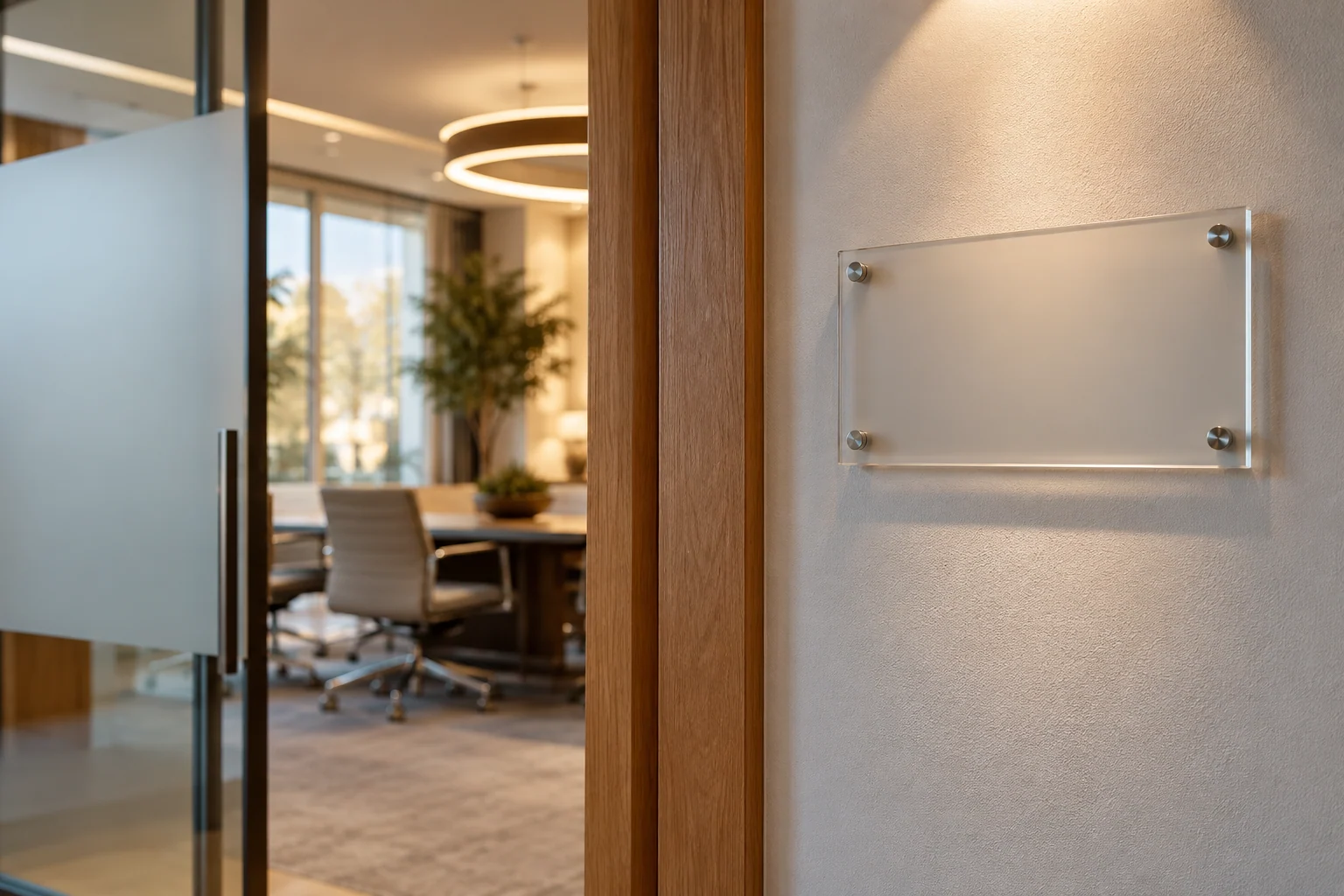
Think about the installation environment as well. Is the sign going on a ground-level window, a high rooftop, or an interior partition? Consider whether the surface is smooth, corrugated, or uneven. Documenting these details allows you to move past generalities and focus on what is actually achievable for your specific building.
Questions for the consultation
The first meeting is an opportunity to gather information about the process. Instead of assuming how a project will unfold, ask direct questions to understand the workflow. You might ask how the design phase integrates with your existing brand guidelines, or what information they need from you to provide an accurate estimate.
It is also helpful to ask about the practicalities of the installation. You may want to inquire about the timeline from the first sketch to the final mounting, and what kind of site preparation might be required on your end. Ask who will be responsible for the physical installation and what the process looks like for verifying the final placement. By arriving with measurements, environmental observations, and a list of specific questions, you can turn a vague idea into a structured plan.


