The group chat has been active for three days. You have scrolled through dozens of digital menus and revisited the same three options in North Dallas and Fort Worth. Every time you feel close to a decision, a new comment arises—a preference for a certain cuisine or a vague concern about the atmosphere—and the entire process resets. This cycle of reopening the decision without introducing new information often leaves a group hungry and frustrated.
The tradeoff of variety and certainty
The tension in these group decisions usually lies in the tradeoff between variety and certainty. You want a place that offers something for everyone, but the more options you consider, the more variables you introduce. To break the loop, you must move from passive browsing to active comparison. When you keep revisiting the same options without new data, you are not making a choice; you are simply waiting for a consensus that may never arrive.
Instead of asking the group to provide the solution, try providing the parameters. This requires shifting from the question "What does everyone want?" to "What can these specific places accommodate?"
Comparing menu profiles
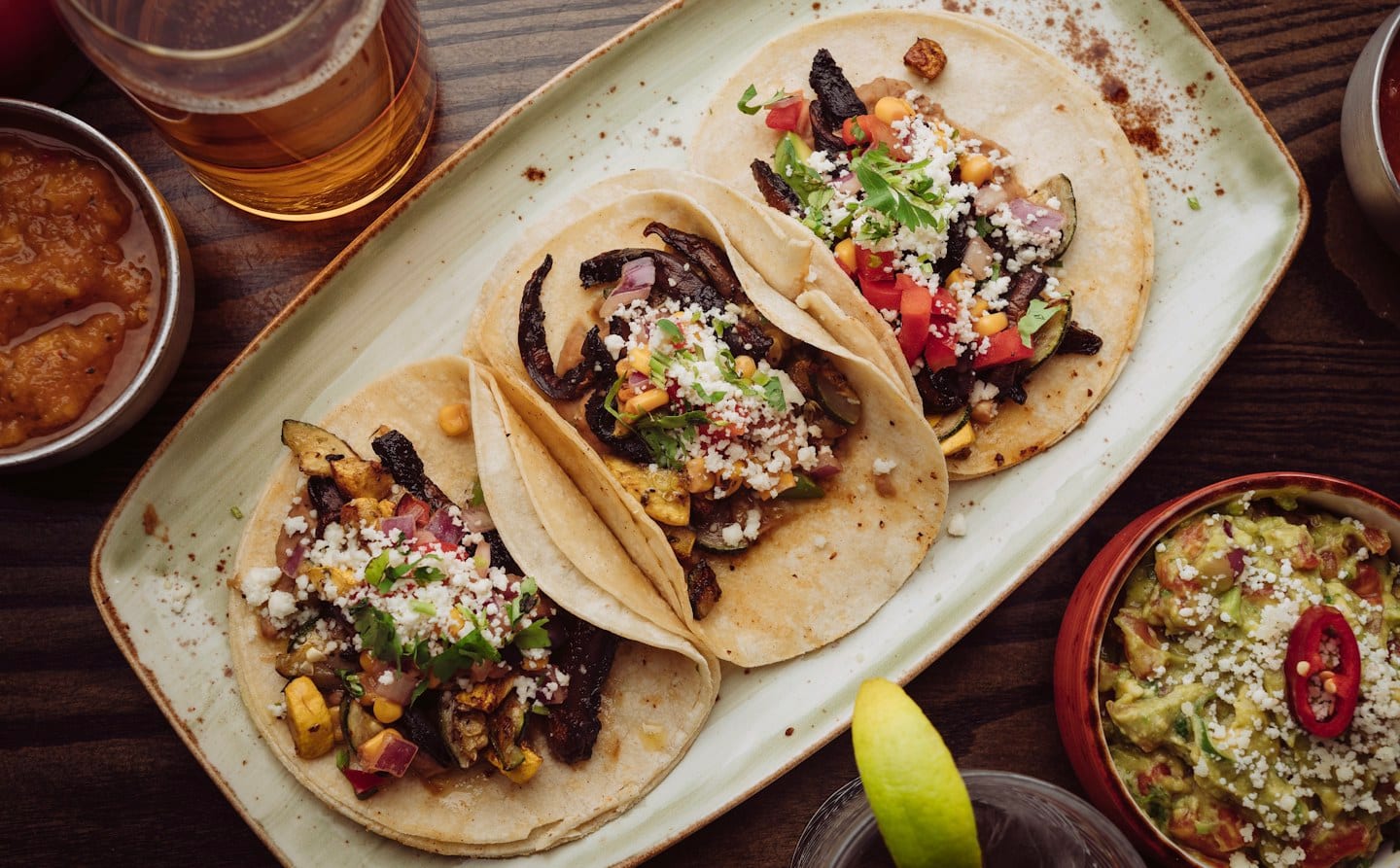
Rather than looking at restaurants in isolation, place their menus side-by-side. Instead of asking, "Does everyone like Italian?" which invites endless debate, identify the core offerings of your top contenders. Does one establishment lean heavily into shared plates while another focuses on individual entrees? Does one offer a significant selection of vegetarian options compared to the others?
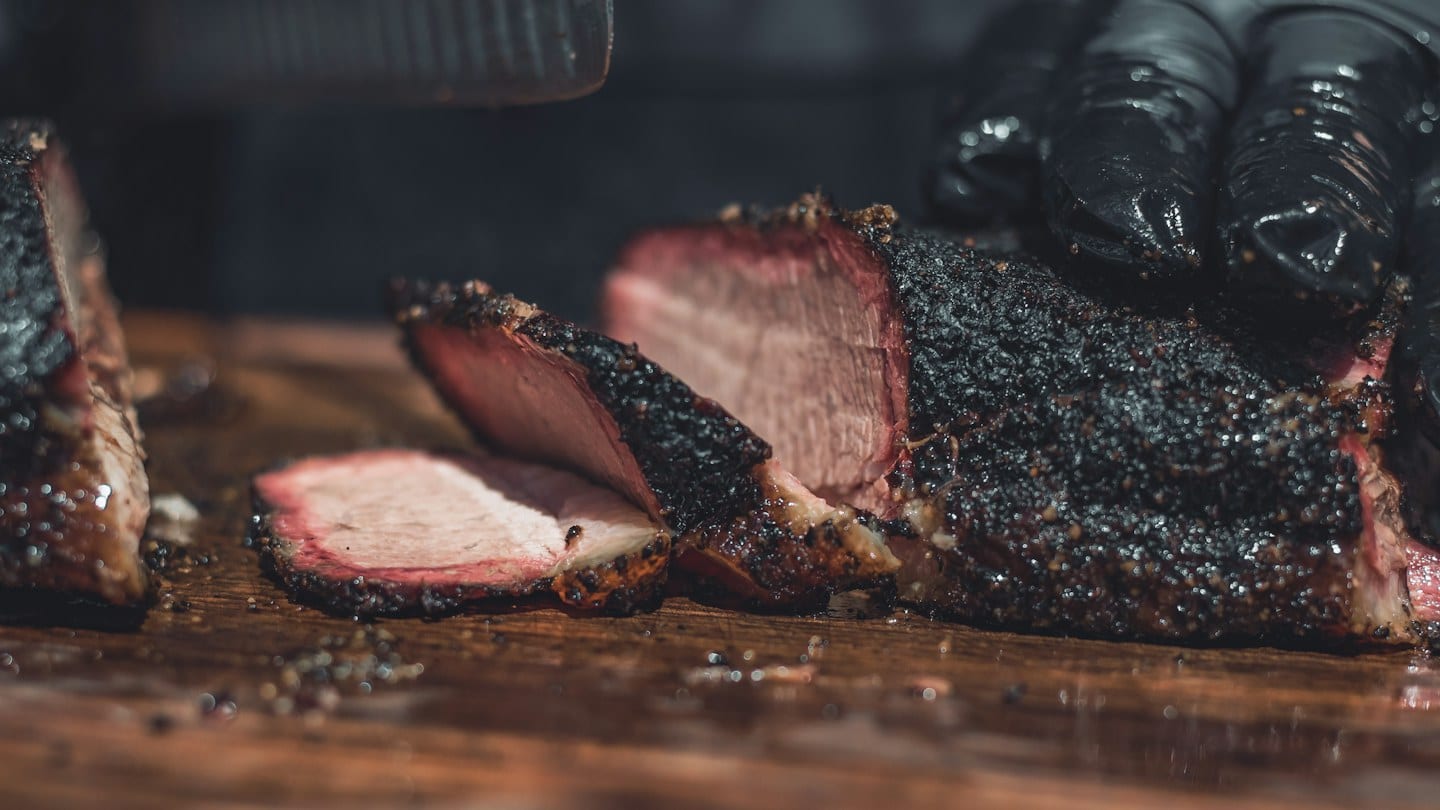
For example, if you are choosing between a steakhouse and a Mediterranean bistro, the decision might hinge on how they handle dietary variety. The steakhouse might offer a robust selection of sides, while the bistro provides a wider range of plant-based main courses. By identifying these specific differences, you give your group concrete choices to react to rather than abstract concepts. This narrows the field from an infinite sea of possibilities to a manageable selection of distinct profiles.
Verifying dietary needs
Once you have narrowed the field to two or three viable candidates, the focus should shift from preference to practicality. This is the moment to address the specific requirements of your guests. If a member of your party has dietary restrictions, the menu alone may not provide the full picture of what is possible during a busy service.
Contact the restaurant directly to clarify their capabilities. Ask the staff how they manage specific ingredient requests and what their protocols are for preparing meals for guests with sensitivities. Ask the manager or server how they communicate these needs to the kitchen staff during a meal. You may also ask how they handle potential cross-contact in the preparation area.
Finalizing the selection
To finalize the plan, present the group with a definitive choice based on the information you have gathered. Instead of asking, "Where should we go?" present the results of your research: "We have narrowed it down to these two spots. One has a larger menu for vegetarians, and the other has more space for our group size. Which shall we book?" By providing the data and a clear path forward, you transform a circular debate into a simple selection, allowing the evening to move from the screen to the table.