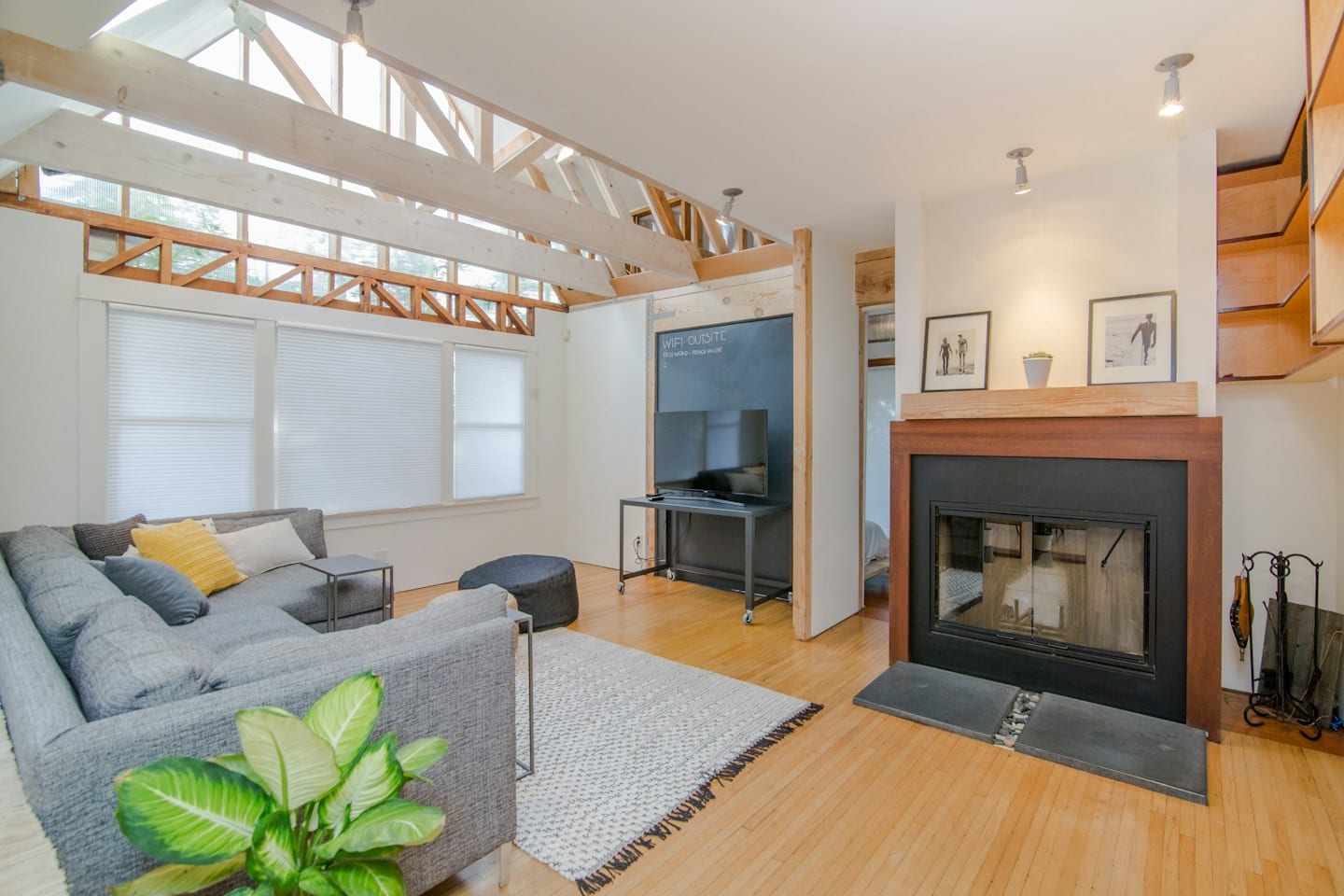
A bare window can make a room feel unfinished, yet the sheer variety of options available can make a simple home improvement project feel overwhelming. Rather than focusing on catalogs of fabric swatches or complex hardware, start by watching how your rooms actually function throughout a single day.
Observing the Light
The way sunlight moves through your living space dictates how much control you will actually need. Some rooms might bask in a bright, even glow during the afternoon, while others might face a sudden, harsh glare that makes watching television difficult. Pay attention to where the shadows fall and which corners of the room feel too bright or too dim.
For example, if you are looking at a breakfast nook, you might find that you love the morning sun but find the heat and brightness distracting by ten o'clock. This creates a tradeoff: do you prioritize a look that allows maximum light to enter, or do you prioritize the ability to block that light entirely when it becomes intrusive? Identifying these specific moments of discomfort or enjoyment will guide your preferences more effectively than any showroom display.
The Privacy Equation
Privacy is rarely an all-or-nothing requirement. You may want to obscure the view from the street during a dinner party while still wanting to see the garden or the neighborhood activity during the day. Consider the height of your windows relative to your neighbors' sightlines and the proximity of street-level traffic.
Think about the specific activities occurring in each room. A bedroom requires a different level of seclusion than a sunroom or a home office. As you walk through your house, ask yourself: At what time of day do I feel most exposed? and When I want to see outside, what do I want to see? These personal observations are the foundation of a functional choice.
Talking to a Supplier
When you are ready to move from observation to inquiry, your goal is to translate your lifestyle needs into practical solutions. You do not need to know the names of specific materials or mounting styles to have a productive conversation. Instead, bring your notes regarding light, heat, and privacy to your first meeting.
When meeting with a provider, consider asking the following questions to ensure their suggestions align with your home:
- How will these options address the specific light patterns I noticed in my living room?
- Can I achieve both privacy and natural light with the suggestions you are making?
- What are the different ways these can be operated to suit my daily routine?
- How do these choices affect the overall appearance of the room when they are not in use?
By focusing on how you live within your space, you can move past the initial confusion of choice. A successful window treatment is one that solves a problem you have identified—whether that is a glare on a screen or a lack of seclusion—without becoming a distraction in the room's design.

