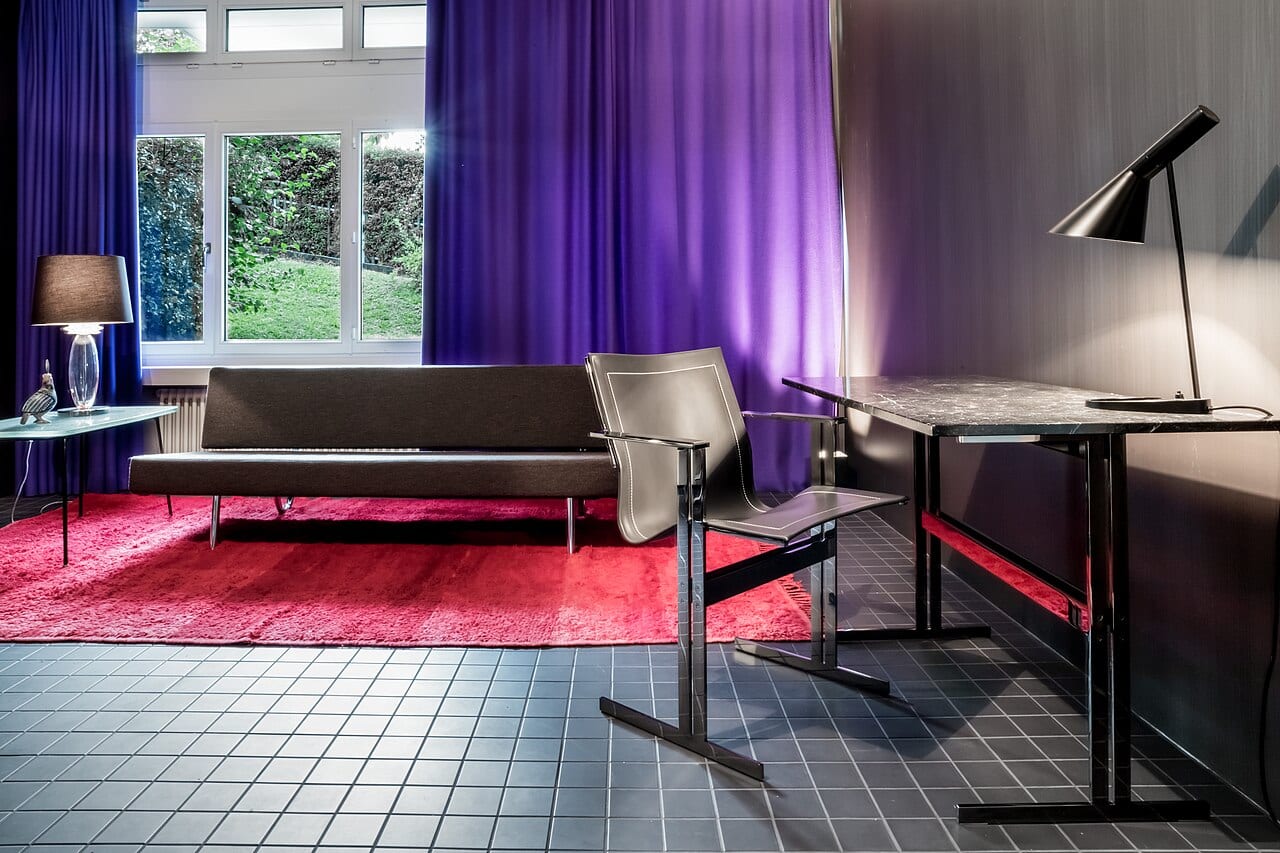
A photograph of a perfectly lit breakfast nook or a seamless marble countertop often serves as the spark for a home project. For many homeowners across the Dallas–Fort Worth area, the initial impulse is driven by a strong visual instinct—a desire to replicate a specific mood, texture, or aesthetic found in a magazine or a boutique hotel.
The Gap Between Sight and Function
The challenge arises when a visual preference lacks a defined practical requirement. A person might know they want a "warm, inviting glow" in a living area, but that aesthetic goal does not communicate whether they need new lighting fixtures, a reconfiguration of existing electrical outlets, or a change in wall finishes. When a service request is purely descriptive of a look, the provider is left to guess at the underlying technical or structural needs.
For example, if you are drawn to the look of a minimalist, open-concept kitchen, you may be envisioning more than just the absence of clutter. You might actually be seeking a change in how the space handles heat, how light moves through the room, or how the surfaces withstand daily use. The visual is the destination, but the practical need is the map required to get there.
Navigating the Aesthetic Tradeoff
Every design choice involves a tradeoff between what is seen and how a space operates. A stunning, floor-to-ceiling glass partition offers an uninterrupted view, but it also alters the acoustics and temperature regulation of a room. Similarly, a specific type of natural stone might achieve a desired color palette but require a different maintenance routine than a synthetic alternative.
To navigate this, move beyond the image. Instead of presenting a photo as a finished command, present it as a starting point for a conversation. Ask the professional how the specific aesthetic you admire interacts with the existing layout of your home. Ask what the long-term upkeep of those specific materials involves compared to other options that achieve a similar effect.
Preparing for the Conversation
Before inviting a specialist to your home, translate your visual inspiration into a series of observations. If you are looking at a specific style of cabinetry, observe whether you are drawn to the color, the hardware, or the way the doors sit flush against the frame. This distinction helps a professional understand if you are seeking a surface change or a structural modification.
When you meet with a contractor or designer, prepare specific questions to bridge the gap between your vision and their expertise. Ask who would be responsible for the different stages of the project and what their specific role entails. Ask how the proposed changes might affect the existing utility or flow of the room. By focusing on these inquiries, you turn a vague visual desire into a precise, actionable brief that respects both your taste and the practical realities of your home.


