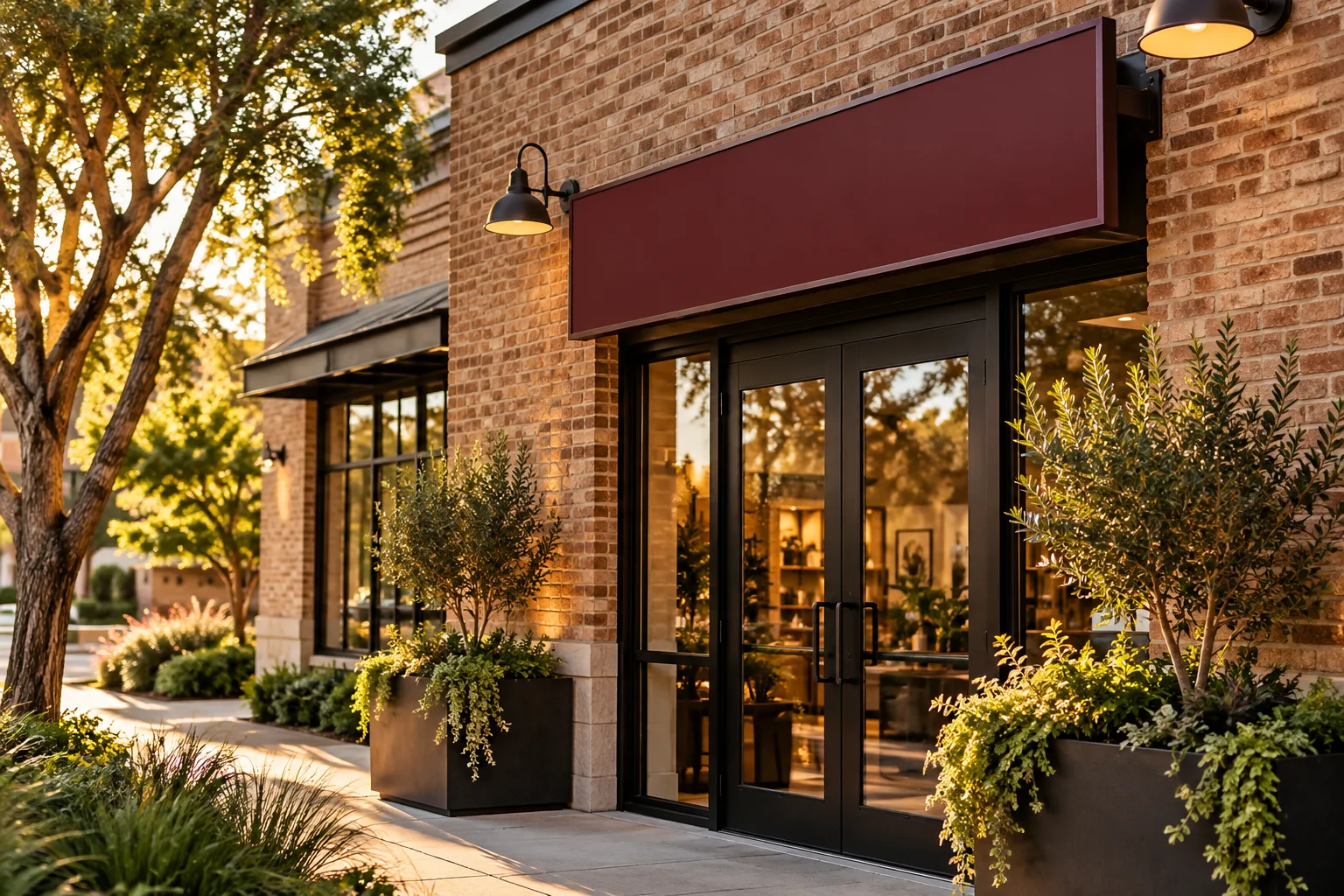
A storefront sign is more than a name on a wall; it is the physical handshake between a business and the street. For many entrepreneurs in the Dallas–Fort Worth area, however, that handshake remains unextended. The decision to commit to a specific design, material, or location often sits on a desk, gathering dust as the owner waits for a sudden spark of inspiration that never arrives.
Breaking the Cycle of Indecision
Stalling on a signage project often stems from a lack of concrete data rather than a lack of vision. It is easy to loop through the same mental debates: Should the letters be raised or flat? Should the colors be bold or muted? Without new information, these internal arguments produce nothing but fatigue. The cycle usually breaks when the abstract idea is replaced by specific constraints and professional feedback.
For example, if a new boutique owner spends months debating between a neon glow and a backlit channel letter, they may find themselves stuck in a loop of aesthetic preference. The tradeoff here is between a specific visual mood and the practical realities of the building’s facade and the local environment. Moving forward requires shifting the focus from what looks good in a mood board to what is actually achievable on the site.
Preparing the Visual Brief
To stop the cycle of reopening the same decision, gather the assets that a provider needs to give a definitive answer. This includes high-resolution photographs of the intended installation site from multiple angles, including close-ups of the surface material. Having these images ready allows a professional to see the texture of the brick, the placement of existing fixtures, and the scale of the surrounding architecture.
Beyond the photos, define the intended audience. A sign meant to catch the eye of a driver on a busy thoroughfare requires different considerations than one meant to guide a pedestrian through a quiet courtyard. Clearly articulating who needs to see the sign—and how they will be moving when they see it—provides the context necessary for a functional design.
Seeking Technical Clarity
Once the visual context is established, the conversation must shift toward feasibility and compliance. A design that looks stunning in a digital mockup may not be possible given the physical constraints of the building or the requirements of local authorities. Instead of guessing at the outcome, use the inquiry phase to address the logistics of the installation.
Ask the sign provider how the proposed design accommodates the specific surface and mounting requirements shown in your photographs. Inquire about the feasibility of the chosen materials in our regional climate. Most importantly, ask which specific approvals are required for this type of installation and who is responsible for arranging them. By addressing these logistical hurdles through direct questioning, the decision moves from a matter of taste to a matter of execution.


