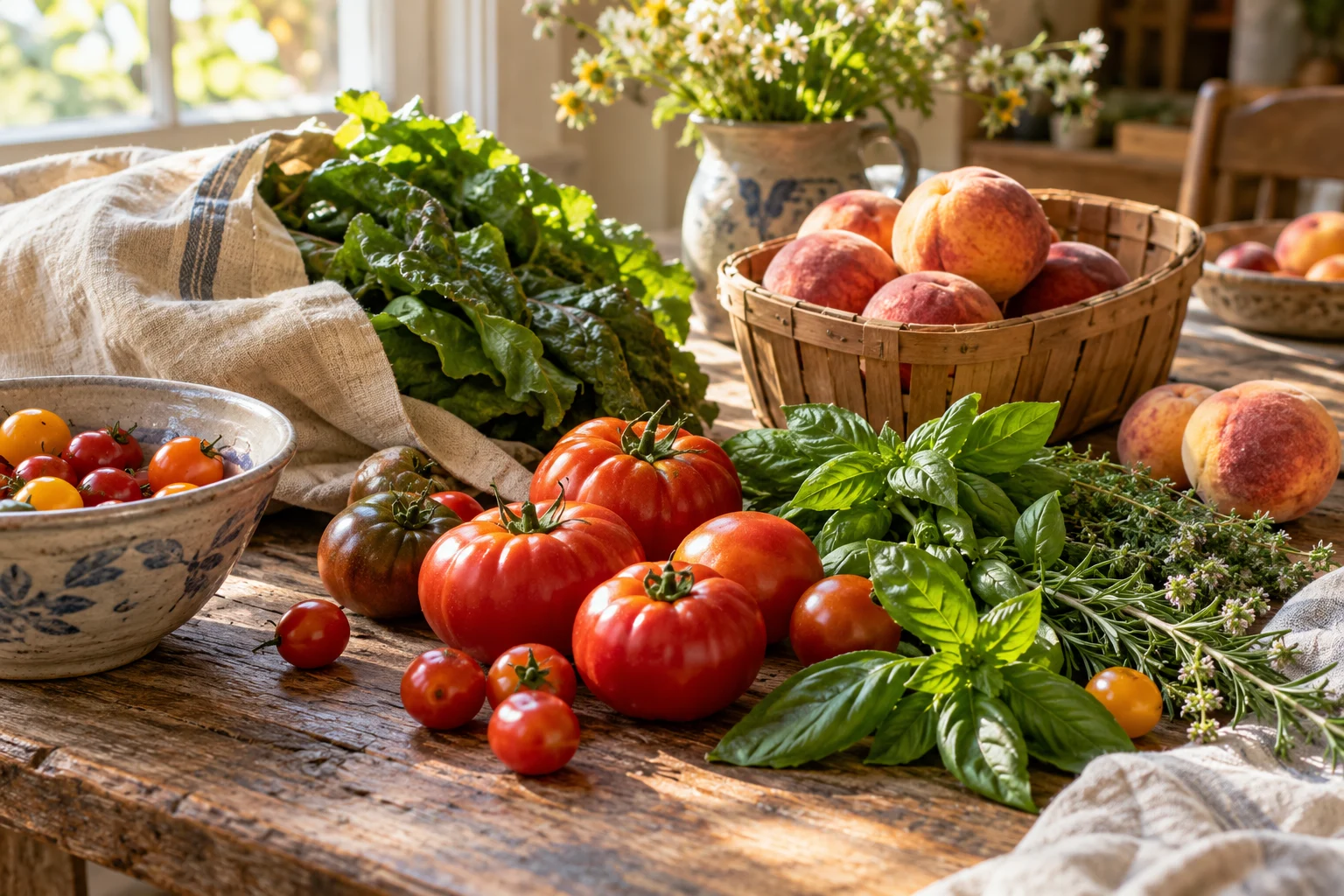
A vibrant display of heirloom tomatoes, fresh basil, and a wedge of hard cheese can be difficult to walk past. There is a visual pull to these items—the deep reds, the bright greens, and the textured rind of the cheese—that often overrides the immediate question of what exactly is for dinner. For many, the impulse is to buy because the ingredients look beautiful on a kitchen counter, even if a specific recipe hasn't been settled upon.
The Weight of Visual Appeal
Choosing ingredients based on their aesthetic quality is a common experience. You might find yourself standing in an aisle, drawn to the way the sunlight hits a particular cluster of herbs or the deep pigment of a seasonal fruit. This preference is a valid way to shop, but it creates a specific tension: the desire for quality versus the need for utility. When you purchase a collection of items purely because they look exceptional, you face the tradeoff between a beautiful pantry and a potentially wasted grocery trip if those items do not coordinate well in your kitchen.
For example, if you select a basket containing heirloom tomatoes, a bunch of basil, and a block of aged parmesan, you have committed to a specific flavor profile. While these items are stunning, they require a certain level of culinary intent to ensure nothing sits unused in the refrigerator. The decision is not just about what looks good now, but how those items will behave over the next few days.
One Basket, Multiple Paths
The beauty of a curated set of ingredients lies in their ability to pivot. That same basket of tomatoes, basil, and cheese can serve different roles depending on how you apply them. One evening, the tomatoes might be sliced thick and layered with the basil and cheese for a simple, fresh assembly. Another night, the same ingredients can be transformed; the tomatoes can be simmered down into a base, the basil finely minced into an oil, and the cheese grated over a warm starch.
The shift from a raw, visual presentation to a cooked, integrated meal changes the texture and the presence of each item. You are essentially choosing between a meal defined by the individual integrity of the ingredients and a meal defined by their collective harmony.
Planning the Transition
To make the most of a visually driven shopping trip, observe how the items might interact before you reach the checkout. Consider the shelf life of your selections and how they might be repurposed if your initial plan changes. If you find yourself frequently buying beautiful produce without a clear roadmap, you might ask a local grocer how they recommend storing specific varieties to maintain their appearance.
Ultimately, the goal is to ensure that the beauty of your market basket translates into a series of intentional meals. By recognizing the potential for these ingredients to change form, you turn a simple aesthetic preference into a practical foundation for your week.